


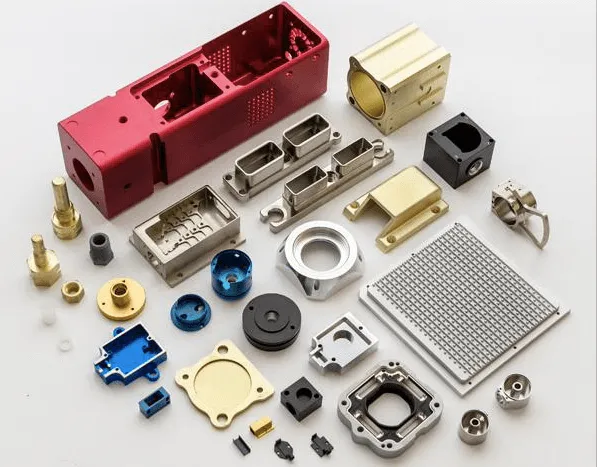


In the world of manufacturing, where metals are deployed in demanding service environments, the gradual erosion of their characteristics becomes inevitable. This deterioration negatively impacts their performance, making innovation essential.
Amidst the myriad technologies, metal plating emerges as a beacon, transforming the fate of metals. Manufacturers turn to various metal plating finishing techniques to not only improve the aesthetics of their products but also enhance their functionality.
Metal plating, once a mere post-production finishing touch, has evolved into a crucial aspect of modern technology.
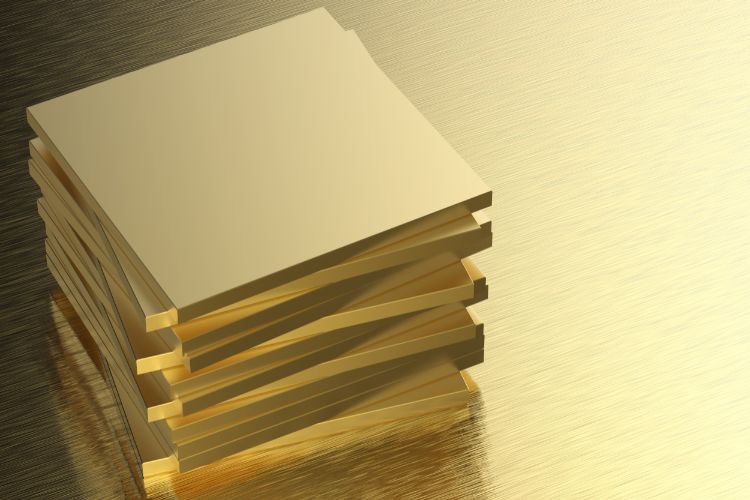
The metal plating process involves the application of a thin layer of metal onto a substrate, creating an outer coating with metals like copper, nickel, chromium, or others resistant to corrosion.
This transformative process not only safeguards against deterioration but also enhances the visual appeal of the metal. The magic unfolds as the metal undergoes immersion in an acid solution, where an electric current and cathode work in tandem to bring about this metamorphosis.
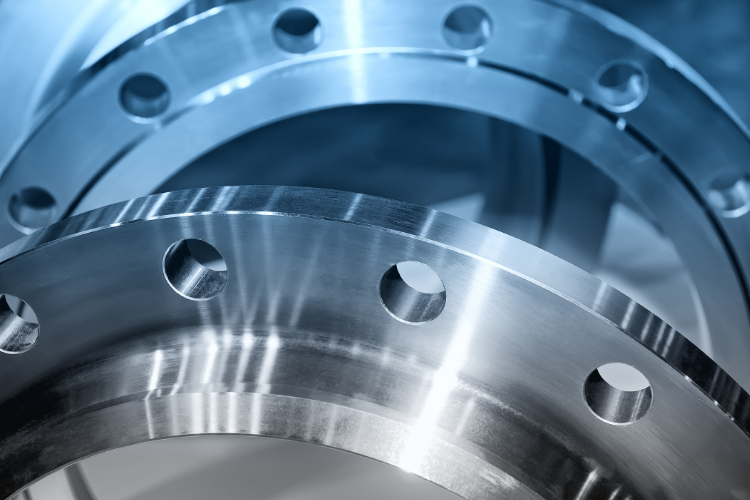
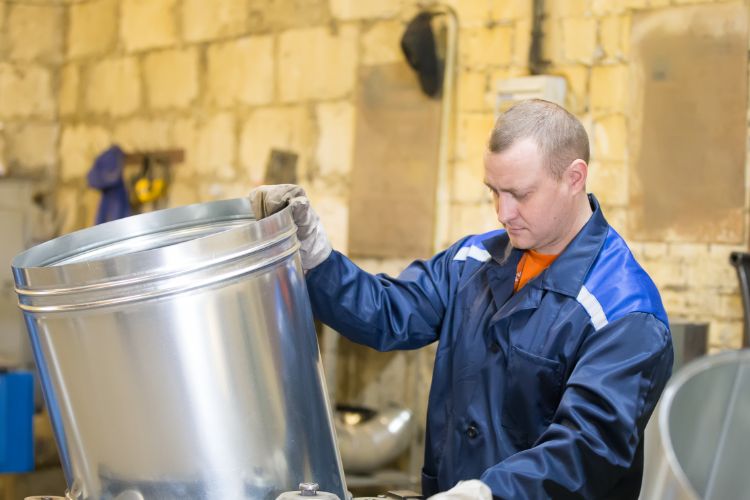
This technique harnesses electric currents in an electrolyte solution, dissolving charged metal particles. By utilizing electrical current, the process controls the plating, depositing metal ions from the anode onto the cathode (the workpiece), enhancing its properties.
In contrast to electroplating, this method requires no external power source. It is a cost-effective alternative, involving a chemical reaction to facilitate metal atom reduction, making it ideal for hard surfaces with excellent corrosion resistance.
Immersing a metal into a chemical compound containing noble metal ions creates a thin layer of plating. This technique is particularly useful for industries seeking improved corrosion resistance.
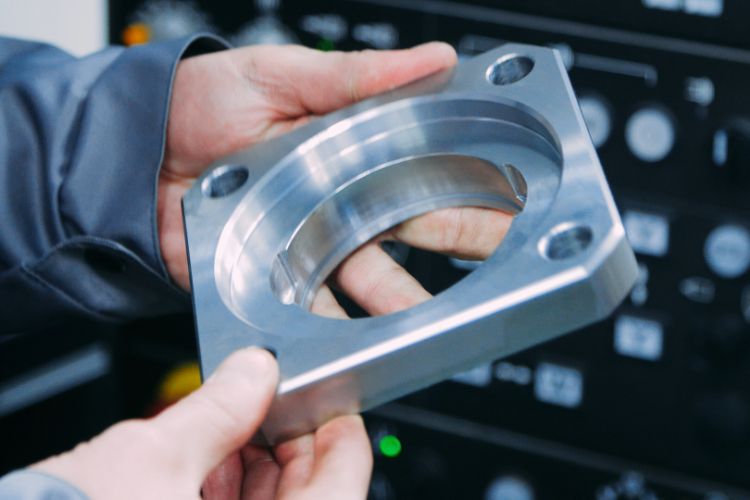
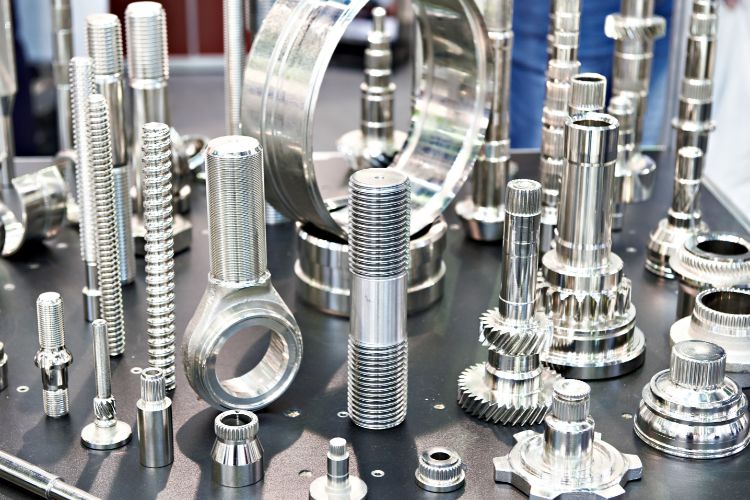


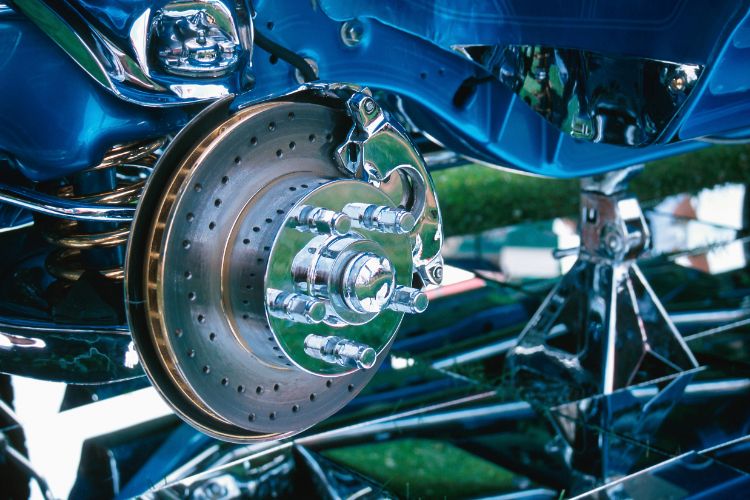
In conclusion, as we navigate through the intricacies of metal plating, the alchemy of transforming metals unfolds. From the selection of techniques to the application methods, metal plating stands as a testament to innovation and enhancement.
As industries continue to harness the power of metal plating, one question remains: What other frontiers will this transformative technology conquer next?