



You can request an instant quote from our quotation form. Our expert team will reach out to you within 24 hours to provide consultation throughout the process.

To execute the project feasibly, we provide a DFM report to review your design and identify any flaws and errors before starting the production process.

The predictive model process analyzes molten material behavior within the mold. The advanced mold flow analysis ensures high-quality and precise molded parts.

We use preferred material for mold tooling production to provide premium-quality and tailored mold tooling that perfectly fits your application’s specifications.

We deliver T1 sampling for inspection and review before mass production. The process ensures error identification and precise manufacturing of the plastic part.

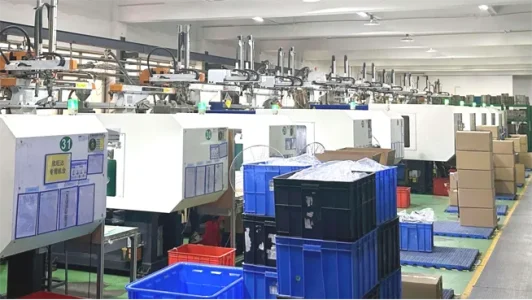
After the trial phase, we provide low-volume production service to ensure precision with efficient machinery under expert surveillance, saving time and cost.

At Timely, we follow international tolerance standards and rigorous quality control inspection to meet the highest excellence and fulfill your provided specifications.

Our team securely packages your plastic molded parts before dispatching them to avoid damage. We have partnered with logistics to schedule timely delivery at your place.