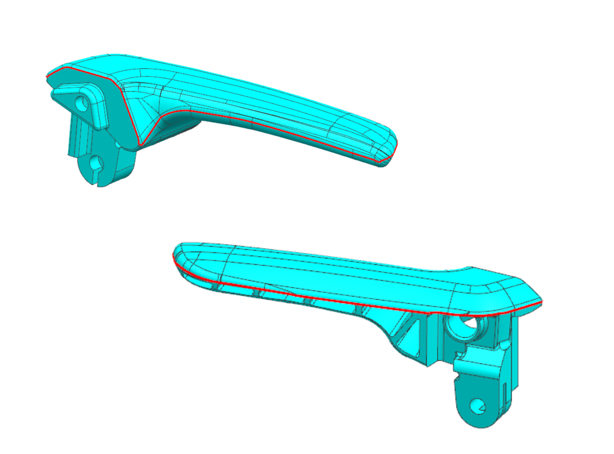
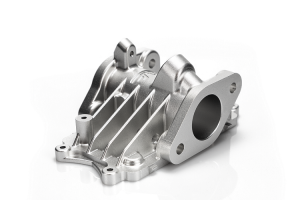
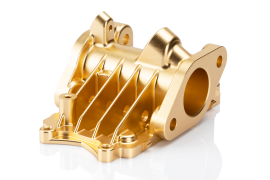
Rapid prototyping (RP) is a powerful tool for accelerating product development and reducing time-to-market. It allows engineers and designers to quickly create physical models or prototypes of their designs for evaluation, testing, and refinement.
- Early Stage Design Development
Purpose: To test concepts and ideas quickly.
Why: Rapid prototyping allows designers to create physical models early in the design process to assess the form, fit, and functionality of their ideas. This helps catch design flaws and improves product iterations before committing to full-scale production.
- Design Validation and Testing
Purpose: To validate design features before manufacturing.
Why: Rapid prototypes are useful for functional testing, ensuring that the product performs as expected. This is particularly crucial for products requiring mechanical or electrical integration to confirm all parts interact correctly.
- Customer Feedback and Marketing
Purpose: To gather feedback from stakeholders or potential customers.
Why: A tangible prototype can help communicate the design intent to non-technical stakeholders, customers, or investors. This can provide valuable feedback to refine the design before mass production.
- Reducing Manufacturing Costs
Purpose: To prevent costly design changes during the production phase.
Why: By identifying problems early with rapid prototypes, companies can reduce the risk of costly revisions during the later stages of product development or mass production. This helps keep the project within budget.
- Customization and Complex Geometries
Purpose: For products requiring complex, custom designs or intricate details.
Why: Rapid prototyping can handle designs with complex geometries that might be difficult or expensive to create using traditional manufacturing methods. This makes it ideal for customized products or parts.
- Low-Volume Production
Purpose: For small-batch production or short runs.
Why: Rapid prototyping is ideal for low-volume production runs where the investment in traditional tooling may not be feasible. This allows companies to produce a small number of units for testing or market validation without the high upfront cost.
- Testing Materials and Manufacturing Techniques
Purpose: To experiment with new materials and manufacturing processes.
Why: When developing new products or exploring alternative manufacturing methods, rapid prototyping enables teams to experiment with materials, designs, and production processes before investing in expensive molds or tooling.
- Time-Sensitive Projects
Purpose: To meet tight deadlines or go to market faster.
Why: Rapid prototyping accelerates the design and development process, allowing companies to bring products to market faster than traditional methods, which is a crucial advantage for staying competitive in fast-paced industries.