


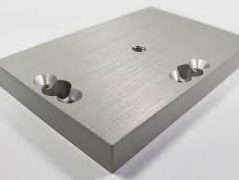
Linear pattern with uniform texture
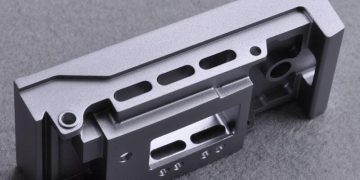
Grainy texture that reduces machining marks
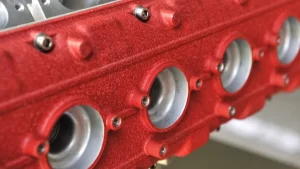
Wear-resistant, compatible with all metals
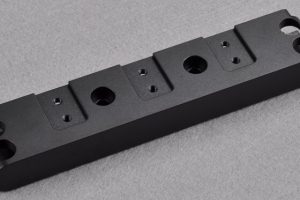
Dark, attractive matte finish
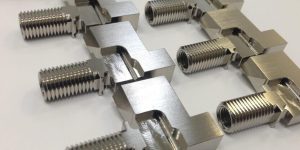
Uniform finish, with excellent resistance to wear

A glossy, corrosion-resistant finish ideal for cosmetic parts
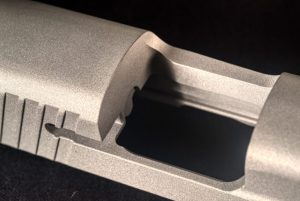
Affordable anodizing option, improves wear and corrosion resistance
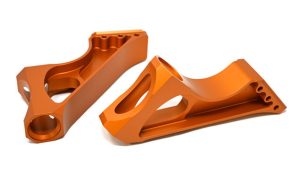
Uniform directional grain and glossy finish
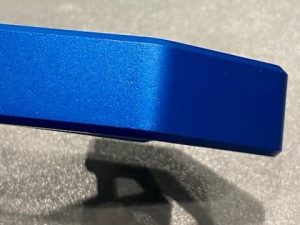
Uniform matte finish, excellent wear and corrosion resistance
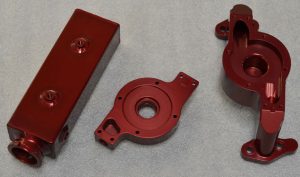
Thick, durable layer resistant to abrasion, corrosion, and chemical damage

Uniform directional pattern with a surface roughness of Ra 0.8 μm or Ra 32 μin
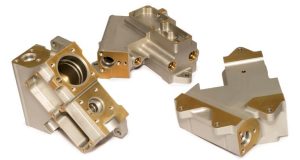
Thin, protective film that offers superior corrosion resistance and enhances adhesion
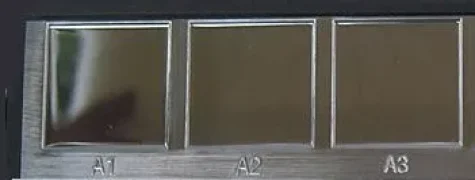
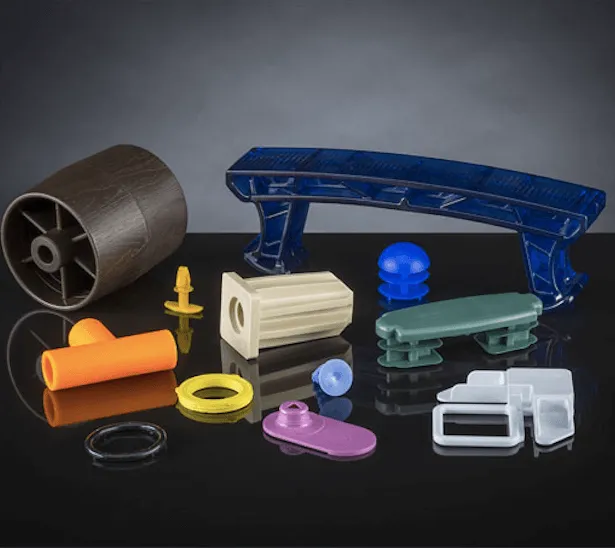
The SPI grade A1, A2, and A3 surface finishes are made with diamond buffing for a glossy and shiny surface finish.

The SPI grade A1, A2, and A3 surface finishes are made with diamond buffing for a glossy and shiny surface finish.
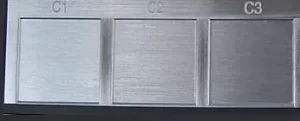
The C1, C2, and C3 SPI grade surface treatments use grit sanding stones to achieve rough texture and uneven surface.
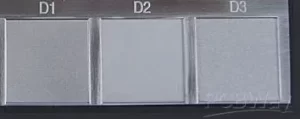
D1, D2, and D3 grade treatments use dry blast glass beads, and oxides for the surface finish to produce a very coarse and textured surface.

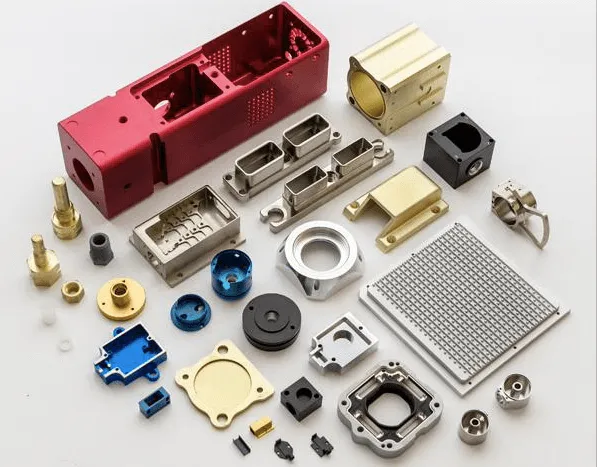
Anodizing improves corrosion resistance, enhancing wear resistance and hardness, and protecting the metal surface. Widely used in mechanical parts, aircraft, and automobile parts, precision instruments, etc.

Bombarding a material’s surface with tiny glass beads or ceramic particles results in a uniform, matte finish that can eliminate surface imperfections and machine marks while simultaneously improving the part’s resistance to wear and corrosion.
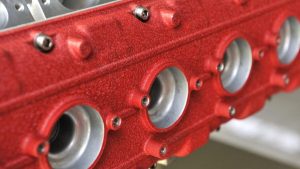
To create a robust and uniform coating, dry powder is applied to the material and baked at high temperatures. This process endows the parts with superb resistance to corrosion, chipping, and fading. Depending on the type of powder, the texture of the coating can be either glossy or matte.
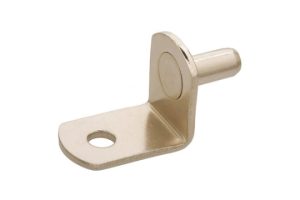
Electroplating can be functional, decorative or corrosion-related. Many industries use the process, including the automotive sector, in which chrome-plating of steel automobile parts is common.