Rapid Prototyping Services

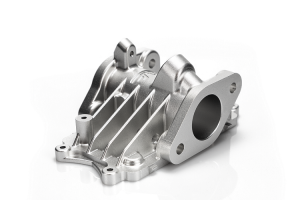
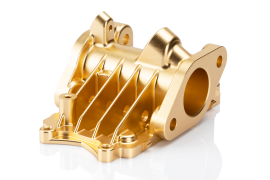
Bring your ideas to life with our on-demand rapid prototyping services online. It’s the best way to see, touch, and examine your design in real life, make changes, and ensure your design is perfect before going to market.

Lead Time
7 days
Surface Finishes
0
Materials
0 +
Tolerances
0 mm

Rapid Prototype Manufacturing Capabilities

With Timely’s rapid prototyping services online, getting physical prototypes of your product design in your hands has never been easier. As a leading rapid prototyping company, we offer a range of machining options, as well as consulting and post-production services.

5.-Polypropylene-PP

PP

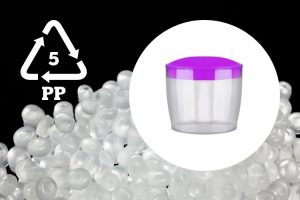
Lightweight, chemically resistant, and cost-effective, PP is commonly used in everyday consumer products like containers, caps, and household goods. Its fatigue resistance makes it ideal for living hinges and snap-fit components.

4.-Polycarbonate-PC

PC

Known for its outstanding impact resistance and clarity, PC is widely used in protective gear, electronic housings, and transparent components. It also offers good dimensional stability and heat resistance.

PCABS-blends-1024x550

ABS / PC Blends

Combining the strength and heat resistance of PC with the ease of processing of ABS, this blend delivers high toughness and balanced mechanical properties. It’s a great option for durable enclosures and consumer electronics.

Acrylonitrile-Butadiene-Styrene-ABS-Solid-and-Reliable

ABS

ABS is a versatile thermoplastic with excellent impact strength, surface finish, and processability. Common in home appliances, toys, and handheld devices, it is also suitable for electroplating.

Acrylonitrile-Butadiene-Styrene-ABS-Solid-and-Reliable

ABS

ABS is a versatile thermoplastic with excellent impact strength, surface finish, and processability. Common in home appliances, toys, and handheld devices, it is also suitable for electroplating.

Want to know more about rapid prototyping services online?
Read our blog to learn all there is to know about the process.

Why Choose Us for Rapid Prototyping Services Online

In today’s highly competitive market, quickly transforming ideas into tangible products is crucial. Whether developing new concepts or refining existing designs, rapid prototyping is key to accelerating the development process. Timely specializes in providing you high-quality, fast, precise, and flexible prototyping services.

No MOQ

We offer no minimum order quantity (MOQ) policy to fulfill customers’ demands from prototyping to low-volume production. With the fastest turnaround, we ensure you get your prototypes cheaply.

Consistent High Quality

With quality control certifications, we follow a rigorous inspection process to ensure the products are manufactured with consistent industrial quality and precision. We perform dimensional verification to ensure error-free production.

Strong Manufacturing Capabilities

Timely is a one-stop solution with strong manufacturing capabilities and quality manufacturing processes. From prototyping your designs to production and final assembly, Timely is a one-stop solution for all manufacturing needs.

Fast Lead Time

To meet the on-demand production, we provide the fastest lead time of within 7 days with production specialties, such as advanced equipment, qualified technicians, and tracked development process.

Warranty & After-Sales

We offer reliable warranty services to ensure you are satisfied with the quality and functionality of delivered products. Moreover, with one-on-one assistance, we provide after-sales services for product troubleshooting and improvements.

24/7 Engineering Support

If you need assistance choosing materials, surface finishes, and design optimization, Timely is your top choice. We provide 24/7 engineering support to ensure you select the proper tooling and material for your production.

Our Rapid Prototype Manufacturing Order Process

From quotation to final production, our order process is easy and seamless. Here’s how it works.

Upload a CAD File

Send us your design details and specs. We’ll send you an (almost) instant quote so you can plan your budget.

Confirm Surface, Material and etc.

Our Team Will Confirm Surface, Material With customer, and quote to customer base on the information provided.

Manufacturing Begins

Once we get your approval, we’ll start the manufacturing process.

Parts are Shipped!

Depending on the complexity of your order, we’ll send your prototype within 7 to 10 days.

Supported File Formats

To ensure your design is uploaded and processed seamlessly, we accept the following file formats:

  • SolidWorks (.sldprt)
  • ProE (.prt)
  • IGES (.igs)
  • STEP (.stp)
  • ACIS (.sat)
  • Parasolid (.x_t, .x_b)
  • STL (.stl)

If your file format is not listed, feel free to contact our customer service team, and we will assist you with the conversion.

Rapid Prototyping Materials We Offer

We source more than 60 materials for your rapid prototyping needs, including both plastic and metal. If we don’t have what you need, we’ll find it for you.

Aluminum

Aluminum

High strength makes aluminum perfect for fast, accurate prototypes.

Excellent choice for CNC machining and casting.

Copper

Copper

Perfect for complex prototypes thanks to its flexibility.

Creates heat- and corrosion-resistant parts.

Brass

Brass

Durable enough to withstand chemical damage and climate stress.

Often used in electronic and automotive parts.

Stainless-Steel

Stainless Steel

Resistant to corrosion and extremely strong.

Great choice for machining, welding, and various surface textures.

PLA-1024x576

PLA

Low melting point, easy to print and mold, ideal for 3D printing. 

Suitable for the rapid creation of low-strength prototypes, such as concept validation and visual design representation.

Acrylonitrile-Butadiene-Styrene-ABS-Solid-and-Reliable

ABS

Excellent durability and high strength, ideal for producing robust parts.

Commonly used in creating mechanical parts that require strength and durability.

3.-Nylon-Polyamide-PA

Nylon

Superior abrasion resistance and great tensile strength.

Ideal for creating long-lasting, functional prototypes that need to perform under stress. Often used for parts such as gears, bushings, and other components that require wear resistance and durability.

Top-10-Common-Plastic-Resins-For-Injection-Molding

Resin

Resin offers a smooth, high-quality finish, making it ideal for detailed models.

Primarily used in SLA (Stereolithography) and DLP (Digital Light Processing) 3D printing. Manufacturing highly accurate and detailed parts.

Polypropylene-PP-4

Plastic (PC & PP)

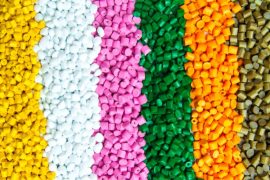
Excellent strength and flexibility, resistance to chemicals, moisture, and temperature variations.

Ideal for parts that need to withstand stress and impact.

We can source any other material on request, but quotes take up to 48 hours. 50+ metals and plastics.

Rapid Prototyping Technical Specifications

Rapid CNC Prototyping

Detailed Technical Specifications

Machining Processes

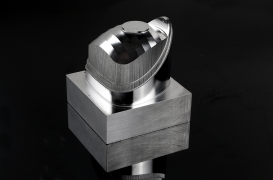
Offers high-precision 3-axis, 4-axis, and 5-axis milling, as well as precision turning to meet diverse production needs.

Material Selection

A wide range of materials available, including aluminum alloys, titanium alloys, stainless steel, and plastics, with custom material options.

Surface Finishing

A variety of surface treatment options such as bead blasting, polishing, electroplating, anodizing, etc., to achieve different aesthetic and functional requirements.

Tolerance Precision

Tolerances as tight as +/- 0.0008″ (0.020mm) to meet strict design and manufacturing standards.

Minimum Order Amount

No MOQ! Our “No Minimum Order Quantity” policy keeps initial costs as low as possible.

Lead Time

We ensure delivery within 5 to 15 days, providing a quick response to customer needs and enabling early testing and production phases.

Faster parts, faster sales.

Rapid prototypes in just 2 days.

faster-parts-1024x439

Advantages of Rapid Prototyping

Accelerated Product Development

Rapid prototyping shortens the product development cycle through quick iterations and prototype testing, speeding up time-to-market.

Cost-Effective

By identifying design flaws early and reducing the need for expensive molds or tools, rapid prototyping lowers overall production costs.

Improved Design Quality

Physical evaluations and prototype refinement help optimize designs, ensuring higher quality in the final product.

Reduced Risk

Physical prototypes created early in the process allow for the identification and resolution of issues before large-scale production, minimizing errors and risks during manufacturing.

Enhanced Communication

Physical prototypes facilitate communication between team members, clients, or stakeholders, ensuring clear understanding of design intentions and reducing misunderstandings.

Flexibility

Rapid prototyping allows for quick design or functionality adjustments during development, offering greater design flexibility.

Industry Application of Rapid Prototyping Process

Rapid prototyping processes offer innovative, cost-effective solutions for both prototyping and production parts across a wide range of industries. With over 20 years of experience in the 3D printing industry, Timely has successfully delivered millions of custom parts and prototypes to clients across sectors such as aerospace, automotive, medical, and more. 

  • Rapid prototyping is employed to create lightweight, complex parts with high precision.
  • It helps in testing prototypes of engine components, interior parts, and structural elements.

  • Utilized to create custom prosthetics, implants, surgical instruments, and medical devices.
  • Helps in producing patient-specific solutions and reducing time in medical device development.

  • Used for designing and testing car parts, tools, and fixtures.
  • Allows for quick iterations of components, improving design and reducing time to market.

  • Used for developing prototypes of gadgets, electronic devices, and components like casings and internal structures.
  • Enables faster product cycles and adjustments based on user feedback.

Trusted by Industry Leader Companies

500+ global companies depend on Timely for precision injection molding and custom mold design.

Delphi

FAQ's

What is Rapid Prototyping?

Rapid Prototyping (RP) is a set of technologies used to quickly create physical models or prototypes from digital designs, typically CAD files. Its main goal is to accelerate the product development process by providing fast, low-cost, and iterative design testing, allowing designers and engineers to evaluate and refine their designs before mass production.

For a deeper understanding of processes, benefits, and applications, check out our full guide on what is rapid prototyping.


Rapid prototyping with 3D printing can range from as low as $50 to a few hundred dollars. However, a more detailed process like vacuum casting may cost up to a few thousand dollars (including the silicone mold). Rapid prototyping costs will vary depending on the method you use.

We recommend starting with a FREE quote so you can get a professional estimate on how much your prototype is likely to cost. Contact us and let’s start making your product a reality!

 
  • 3D Printing: A popular and versatile technology that builds models by printing layers of materials such as plastic, resin, or metal.
  • CNC Machining: Uses computer-controlled machines to cut and carve materials like metal, plastic, and wood to create precise prototypes.
  • Vacuum Casting: Involves using silicone molds to inject liquid plastic, followed by vacuum degassing. It is suitable for small batch production and high-precision prototypes.
  • Rapid Injection Molding: Uses injection molding technology to create prototypes, employing rapid tooling, typically for small batch production of plastic parts.
  • Laser Cutting: Utilizes high-powered lasers to cut or engrave materials (usually plastic, wood, or metal) to create accurate prototypes.
 

3D printing and CNC machining are two common rapid prototyping methods, each with its own advantages, disadvantages, and ideal use cases. Below is a comparison of these two methods:

Basic Principles

  • 3D Printing: This method builds objects layer by layer from a digital model, using materials like plastic, resin, or metal.
  • CNC Machining: Computer Numerical Control (CNC) machines remove material from solid blocks (such as metal, plastic, or wood) using cutting tools to create the final part.

Pros and Cons

Advantages of 3D Printing:

  • Complex Geometries: It can produce highly complex shapes that are difficult or impossible to achieve with traditional manufacturing methods.
  • Design Flexibility: No need for traditional tooling or molds, allowing for rapid design changes and iteration.
  • Speed: Ideal for quickly producing prototypes, saving time and costs, especially for small-scale production.

Disadvantages of 3D Printing:

  • Lower Precision: 3D printing generally offers lower precision compared to CNC machining, particularly with certain technologies like FDM (Fused Deposition Modeling).
  • Material Limitations: While material options are expanding, there are still limitations, especially in terms of strength and durability for certain applications.

Advantages of CNC Machining:

  • High Precision: CNC machining provides excellent accuracy, making it ideal for parts requiring tight tolerances and precise dimensions, such as metal components.
  • Wide Material Range: CNC machines can handle a variety of materials, including metals, plastics, and composites.
  • Strength and Durability: Parts produced through CNC machining tend to have higher mechanical strength and are more durable, making them suitable for functional prototypes.

Disadvantages of CNC Machining:

  • Longer Production Time: CNC machining generally takes more time to produce parts, especially for complex designs.
  • Higher Costs: The need for custom tooling, longer production time, and more sophisticated equipment can result in higher costs.
  • Design Constraints: CNC machining is limited when it comes to producing very complex or intricate geometries, especially with internal features.

Ideal Use Cases

3D Printing Ideal Use Cases:

  • Design Verification: It is well-suited for quickly producing prototypes to verify design concepts and aesthetics.
  • Complex Geometries: Perfect for creating parts with intricate shapes, internal features, or detailed designs.
  • Low-Volume Production: It’s ideal for low-volume production or custom parts, especially during the early design phases for quick iteration.

CNC Machining Ideal Use Cases:

  • High-Precision Parts: Best for parts requiring high precision, tight tolerances, and exact specifications, such as mechanical components and engineering applications.
  • Functional Prototypes: Suitable for producing strong, durable parts that need to withstand real-world conditions.
  • High-Volume Production: Well-suited for mass production, especially when parts are made from metals or durable plastics.

All in all, 3D Printing is best for quickly creating complex geometries and for design verification, particularly in situations where strength and precision are not the highest priorities. It’s excellent for rapid prototyping and small-scale production. CNC Machining excels in producing high-precision, durable, functional prototypes or parts, especially when strict tolerances and material strength are needed.


Vacuum casting is a technique suited for small batch production and high-precision prototyping. It involves injecting liquid plastic into silicone molds and using a vacuum to remove air bubbles, ensuring detailed accuracy.

Advantages:

  • High precision: Accurately replicates complex designs.
  • Low-volume production: Ideal for producing small quantities, avoiding the high costs of large-scale production.
  • Fast: Quick mold creation allows for rapid design iteration.
  • Material versatility: Compatible with various plastics and resins.

Applications:

  • Small batch production
  • High-precision prototyping
  • Aesthetic testing and functional validation

Vacuum casting provides an efficient and cost-effective solution for low-volume and precise prototypes.


Rapid prototyping is primarily used for design validation, functional testing, and small batch production, rather than large-scale final product manufacturing. While some rapid prototyping techniques (like 3D printing and vacuum casting) can produce functional parts, the materials and processes typically used are not suitable for long-term use or mass production.

Limitations:

  • Material Selection: The materials used in rapid prototyping, such as lightweight plastics and resins, are often not durable or strong enough for final products.
  • Production Efficiency: While these techniques are suitable for small batch production, they are less efficient and more costly for large-scale manufacturing.
  • Precision and Surface Finish: Although some techniques offer high precision, final products may require more refined surface treatments and durability, which might not be achievable through rapid prototyping.

Applications:

  • Design Validation: Used to test and confirm if the product design meets expectations.
  • Small Batch Production: Ideal for short-run market testing or early production stages.
  • Final Product Production Assistance: Some low-demand, short-lifecycle final products can be made using rapid prototyping, but traditional manufacturing methods are more efficient for large-scale production.

In conclusion, rapid prototyping is mainly used for design validation and small batch production, and is not typically suited for large-scale final product manufacturing.


As a rapid prototyping service provider, we often encounter misunderstandings that clients have when using rapid prototyping. Below are some common misconceptions to help you avoid mistakes and make informed decisions when choosing and using rapid prototyping services:

  1. Rapid Prototyping Can Replace Mass Production

Many clients believe that products made through rapid prototyping can be used for mass production. However, rapid prototyping is primarily used for design verification, functionality testing, and appearance evaluation, suitable for small batch production or market testing, not as a substitute for traditional mass production methods.

  1. All Rapid Prototyping Technologies Work with All Materials

Different rapid prototyping technologies are suited for different materials. For example, 3D printing works well with plastics, resins, and metals, while CNC machining is more suitable for harder metals or plastics. Choosing the wrong technology can affect the quality and functionality of your prototype.

  1. Rapid Prototyping Is Always Low-Cost and Quick

While “rapid” refers to faster production times, the cost of rapid prototyping can vary significantly depending on the technology. Some methods, like CNC machining and vacuum casting, may incur higher costs, especially when high precision and complex designs are required. Understanding the actual cost of each method is important.

  1. No Post-Processing Is Needed in Rapid Prototyping

Many clients assume that prototypes made through rapid prototyping are finished and require no further processing. In reality, some technologies (like 3D printing and vacuum casting) often require post-processing steps like sanding, painting, and polishing to achieve the desired precision and appearance.

  1. Rapid Prototyping Is Only for Simple Designs

Rapid prototyping can handle more than just simple models. Modern technologies like 3D printing and CNC machining can create very complex and detailed prototypes, including designs with intricate geometries, fine details, and functional components.

  1. Rapid Prototypes Meet the Quality Standards of Final Products

Rapid prototyping is mainly for design validation, and prototypes may not meet the quality standards required for final products. Particularly in terms of material selection, strength, and durability, the prototype may differ from the actual product in a production environment.

If you have any questions or need help with your rapid prototyping projects, feel free to get in touch with us. We are here to guide you through the right choices and ensure your prototypes meet your expectations!


Yes, our rapid prototyping technologies can be seamlessly integrated with later-stage production processes, ensuring a smooth transition from prototype to mass production. This integration process is crucial in industries such as automotive, aerospace, medical device, and consumer goods, where design and functionality need to be tested before scaling up to large-scale production.

Here’s how we combine rapid prototyping with different production techniques:

Rapid Prototyping and Injection Molding

Using rapid prototyping methods like 3D printing, we can quickly create initial prototypes for design validation, fit testing, and functionality. Once your design is finalized, we can help you produce durable injection molds for mass production of plastic parts. This allows for iterative design changes before committing to expensive large-scale production.

Rapid Prototyping and CNC Machining

We employ CNC machining to produce high-precision, functional prototypes, often using materials that are similar to the final product. After your design has been validated, we can directly transition to batch production using the same CNC processes, ensuring consistency in material properties and part quality.

Rapid Prototyping and Casting Processes 

For metals or other durable materials, we use rapid prototyping to create molds for vacuum casting or die casting. After testing and validating the prototype, we can transition directly into mass casting production, ensuring the material properties and design integrity are maintained throughout the process.

By combining rapid prototyping with these production techniques, we can accelerate your product development, reduce costs, and ensure high-quality final products. Contact us now!


Rapid prototyping (RP) is a powerful tool for accelerating product development and reducing time-to-market. It allows engineers and designers to quickly create physical models or prototypes of their designs for evaluation, testing, and refinement. 

  1. Early Stage Design Development

Purpose: To test concepts and ideas quickly.

Why: Rapid prototyping allows designers to create physical models early in the design process to assess the form, fit, and functionality of their ideas. This helps catch design flaws and improves product iterations before committing to full-scale production.

  1. Design Validation and Testing

Purpose: To validate design features before manufacturing.

Why: Rapid prototypes are useful for functional testing, ensuring that the product performs as expected. This is particularly crucial for products requiring mechanical or electrical integration to confirm all parts interact correctly.

  1. Customer Feedback and Marketing

Purpose: To gather feedback from stakeholders or potential customers.

Why: A tangible prototype can help communicate the design intent to non-technical stakeholders, customers, or investors. This can provide valuable feedback to refine the design before mass production.

  1. Reducing Manufacturing Costs

Purpose: To prevent costly design changes during the production phase.

Why: By identifying problems early with rapid prototypes, companies can reduce the risk of costly revisions during the later stages of product development or mass production. This helps keep the project within budget.

  1. Customization and Complex Geometries

Purpose: For products requiring complex, custom designs or intricate details.

Why: Rapid prototyping can handle designs with complex geometries that might be difficult or expensive to create using traditional manufacturing methods. This makes it ideal for customized products or parts.

  1. Low-Volume Production

Purpose: For small-batch production or short runs.

Why: Rapid prototyping is ideal for low-volume production runs where the investment in traditional tooling may not be feasible. This allows companies to produce a small number of units for testing or market validation without the high upfront cost.

  1. Testing Materials and Manufacturing Techniques

Purpose: To experiment with new materials and manufacturing processes.

Why: When developing new products or exploring alternative manufacturing methods, rapid prototyping enables teams to experiment with materials, designs, and production processes before investing in expensive molds or tooling.

  1. Time-Sensitive Projects

Purpose: To meet tight deadlines or go to market faster.

Why: Rapid prototyping accelerates the design and development process, allowing companies to bring products to market faster than traditional methods, which is a crucial advantage for staying competitive in fast-paced industries.

 

Put your parts into production today