



In the competitive landscape of modern manufacturing, efficiency and cost-effectiveness are paramount for producing consumer goods that meet high-quality standards while optimizing production timelines.
Injection molding, with its precision, versatility, and numerous advantages, has emerged as the go-to method for manufacturing a wide array of consumer products.
In this comprehensive guide, we will delve into the various facets of injection molding, exploring why it should be the preferred choice for efficient and cost-effective consumer goods production.
Consumer demands are on the rise, driven by evolving tastes and market dynamics. Manufacturers are compelled to adopt processes that not only deliver top-notch goods but also streamline production costs and timelines.
Injection molding stands out as a solution that not only addresses these needs but also provides unparalleled benefits for consumer goods manufacturing.
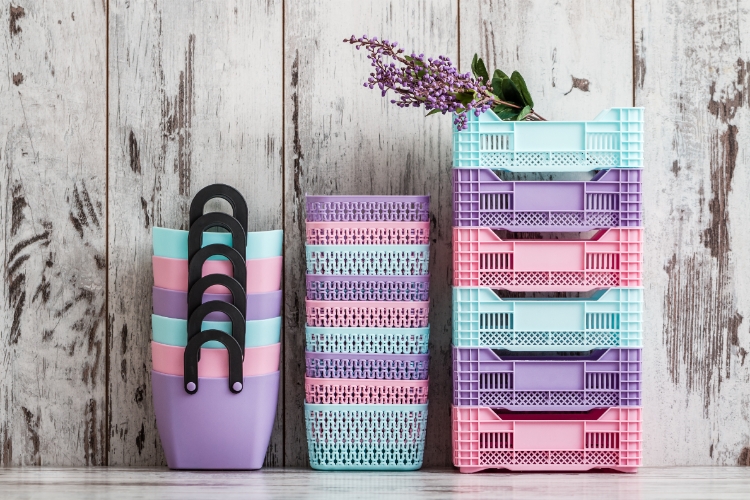
Cost Advantages: Injection molding stands out as a cost-effective solution for producing consumer goods.
High-Volume Production Capabilities: The method is optimized for high-volume production, allowing manufacturers to achieve economies of scale, thereby reducing production costs per unit.
Reduced Labor Costs: The highly automated process minimizes the need for manual labor, resulting in decreased labor costs.
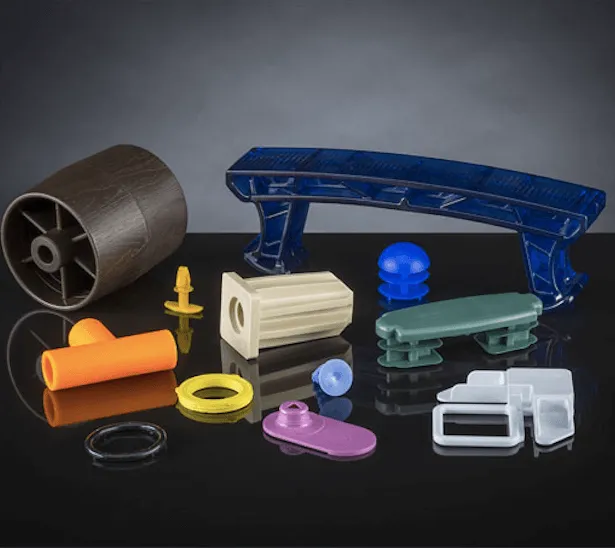
Intricate Designs with Precise Details: Injection molding allows the creation of consumer goods with intricate patterns, precise details, and complex geometries.
Various Features and Enhancements: The process accommodates the incorporation of features such as inserts, threads, undercuts, and other enhancements, enhancing both functionality and aesthetics.
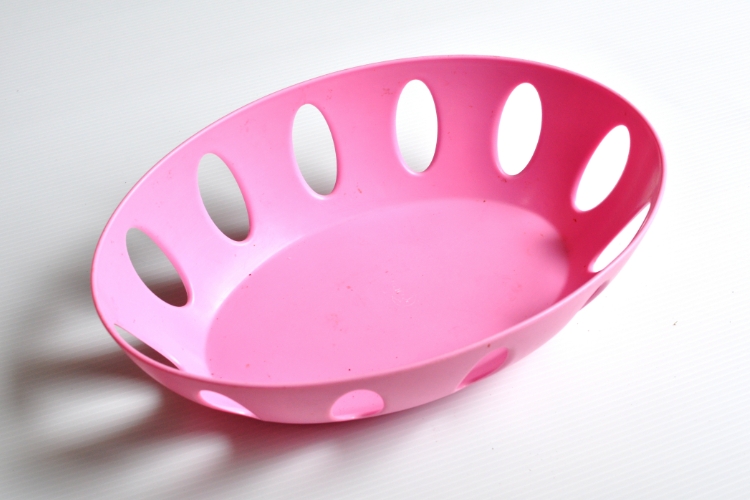
Repeatability and Consistency: Injection molding offers exceptional repeatability, ensuring precise parts with consistent quality across production cycles.
Use of Molds: The utilization of molds guarantees uniform dimensions and specifications for each part, resulting in high-quality output.
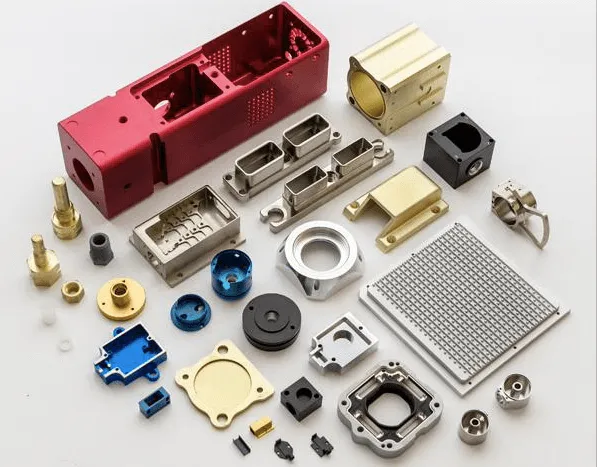
Wide Material Selection: Injection molding supports various materials, including plastics, elastomers, metals, and ceramics.
Material Suitability: Manufacturers can select materials based on durability, aesthetics, functionality, and other specific consumer goods requirements.
Rapid Production Cycles: Injection molding facilitates fast production cycles, enabling manufacturers to meet tight production deadlines and respond quickly to market demands.
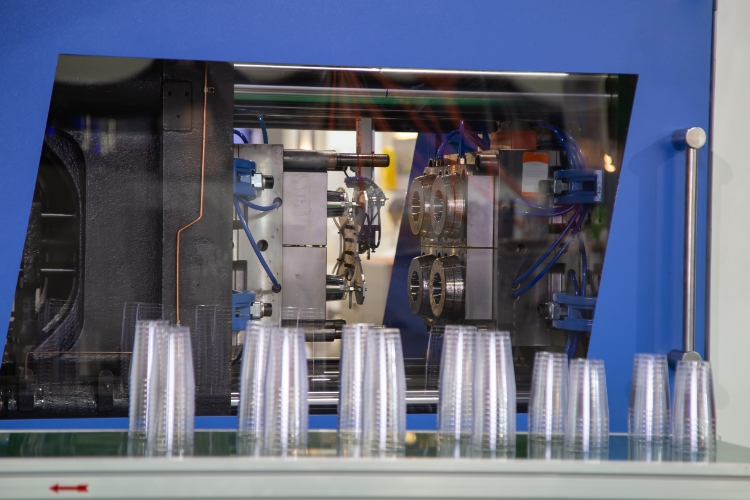
Automation and Technology Advancements: Automation and technological advancements, such as multi-cavity molds and high-speed machines, accelerate production, making it a swift and efficient manufacturing process.

While injection molding offers numerous advantages, it’s essential to consider both the pros and cons of this manufacturing process.
Significant Cost Advantages: Especially beneficial for high-volume production runs, injection molding achieves economies of scale, resulting in lower production costs per unit compared to alternative methods.
Empowerment for Designers: Injection molding empowers designers to create consumer goods with unique shapes, patterns, and features, enhancing both visual appeal and functionality.
Reliable Quality: The use of molds ensures uniform dimensions and specifications, resulting in reliable and repeatable quality.
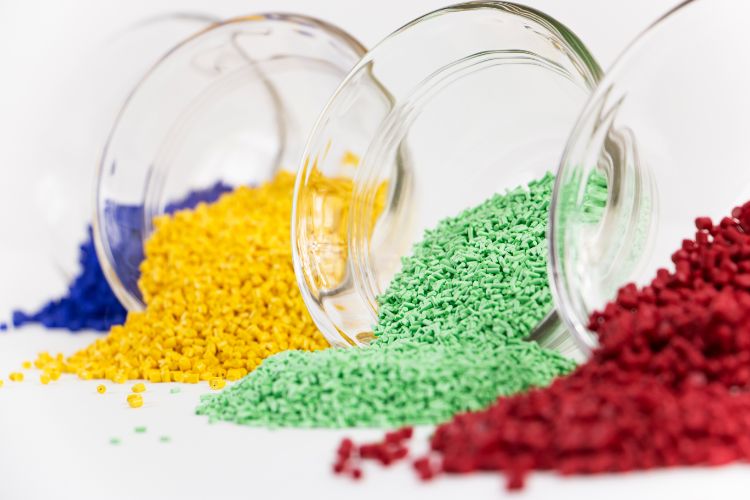
Flexibility in Material Selection: The ability to use various materials provides flexibility to meet diverse consumer goods requirements.
Swift Response to Market Demands: Injection molding’s rapid production cycles enable manufacturers to meet tight deadlines and market demands efficiently.
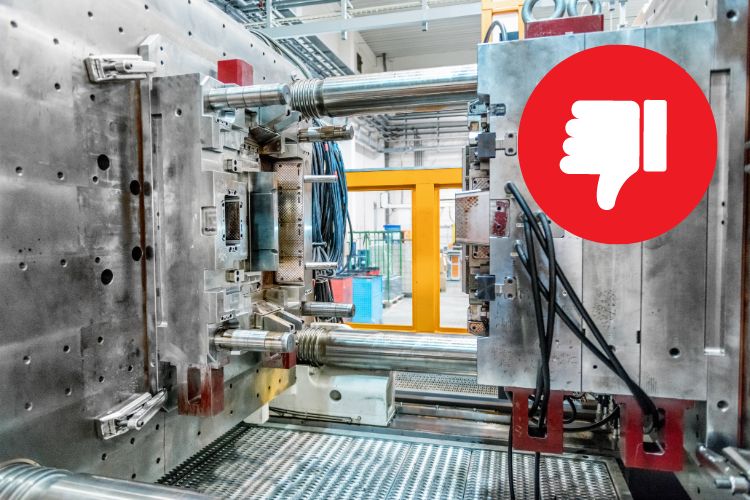
Upfront Investment: The creation of molds involves significant initial tooling costs, especially for complex designs, which might be a barrier for small-scale or low-volume production.
Design and Fabrication Time: The design and fabrication of molds can lead to longer lead times, impacting the overall production timeline.
Cost Inefficiency: While highly cost-effective for high-volume production, injection molding may not be suitable or cost-efficient for small-scale production or prototyping.
Despite these limitations, the benefits of injection molding, including its cost-effectiveness, design flexibility, and consistent quality, outweigh potential drawbacks.
Manufacturers can mitigate challenges through careful planning, considering long-term benefits, and aligning with volume requirements for consumer goods.
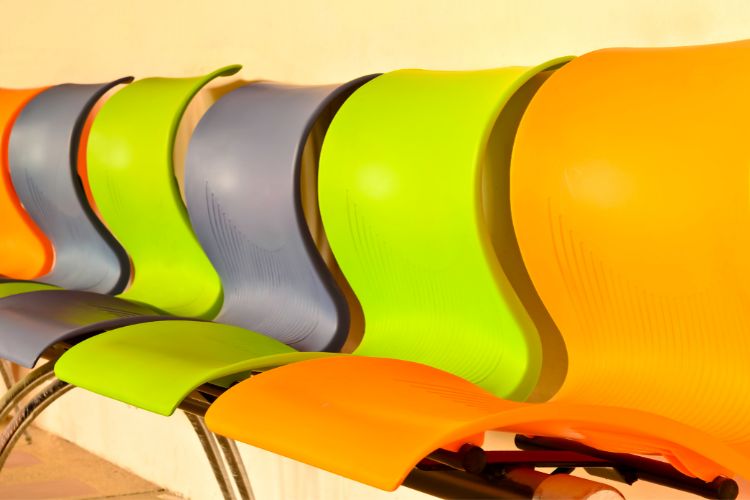
To exemplify the advantages of injection molding, let’s explore a case study focused on manufacturing chairs.
Injection molding facilitates exceptional design flexibility for chairs, allowing manufacturers to achieve intricate and complex designs with precise details.
The process supports a wide range of materials suitable for chair production, enabling manufacturers to choose materials based on durability, aesthetics, and functionality.
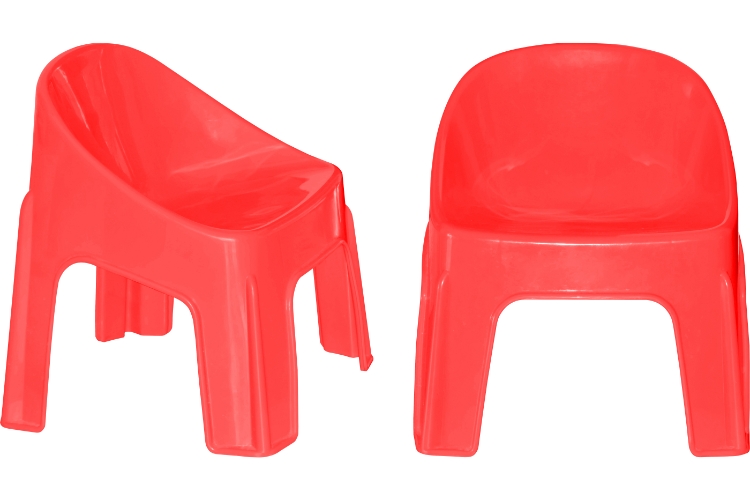
Injection molding ensures consistent quality in chair production, utilizing molds to achieve uniform dimensions and specifications for each chair.
The cost-effective nature of injection molding makes it an ideal solution for manufacturing chairs, optimizing production costs and achieving economies of scale.
Injection molding can replace traditional metal components in chairs with plastic parts, reducing weight and costs while maintaining durability.
The process allows for the creation of chairs with intricate designs and features, ensuring optimal comfort and support.
By leveraging the benefits of injection molding, manufacturers can produce chairs with outstanding design aesthetics, consistent quality, and cost-effective production.
The process replaces metal components with durable plastic parts, offering design flexibility for complex chair designs.
Injection molding proves to be an efficient and reliable method for chair production, meeting market demands and end-users’ expectations.
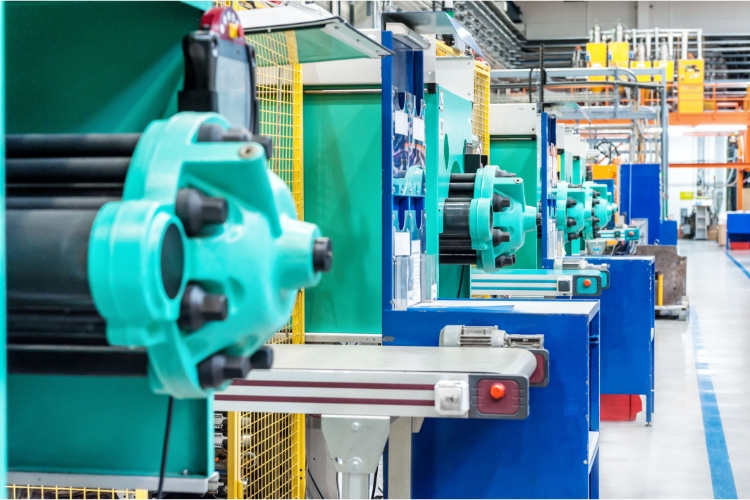
Injection molding stands out as a highly advantageous manufacturing process, boasting several key strengths.
Injection molding offers exceptional precision, enabling the production of intricate and detailed parts with tight tolerances.
Well-suited for high-volume production runs, injection molding’s automated nature and efficient cycles allow manufacturers to meet the demands of consumer goods across various industries.
The process supports a wide range of materials, allowing manufacturers to choose the most suitable material based on desired properties and product requirements.
Injection molding surpasses many other manufacturing processes in terms of efficiency and quality. Its automated nature, combined with the ability to produce consistent and precise parts, ensures high-quality products.
Injection molding offers cost-effective production, optimizing costs per unit through high-volume capabilities and automation.
Injection molding finds extensive application across industries, including automotive, electronics, medical, and consumer goods, showcasing its versatility.
In summary, injection molding’s strengths lie in precision, high-volume production capabilities, material versatility, efficiency, and cost-effectiveness.
These factors contribute to its widespread adoption as a preferred manufacturing process for consumer goods and other industries.
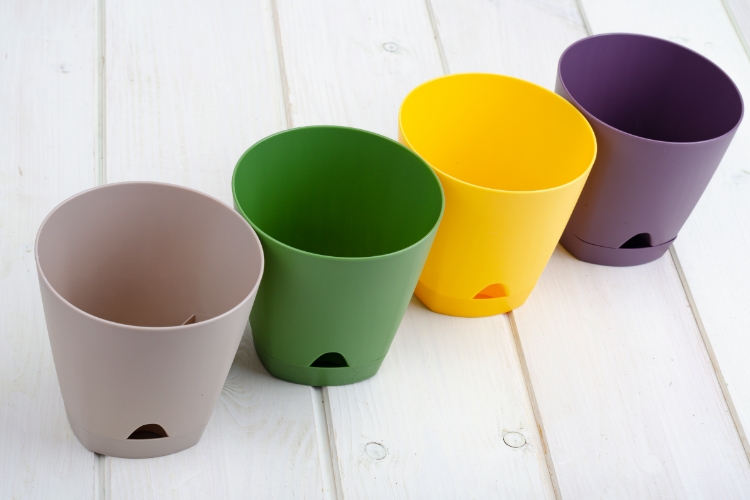
From everyday items like shampoo bottles and milk jugs to more intricate products like remote control casings, bird feeders, toys, and flower pots, plastic injection molding plays a crucial role in efficiently and consistently producing a myriad of consumer goods.
Plastic injection molding caters to an astounding variety of plastic resins, each formulated to meet specific performance requirements.
Thermoplastics, in particular, are well-suited for injection molding and offer flexibility in creating consumer goods with diverse properties.
Flexible and Inexpensive: Widely used for food service containers, utensils, and packing materials.
Durable and Non-Reactive: Commonly used for food and beverage containers.

Versatile and Strong: Often used for bottles, films, trash cans, and shopping bags.
Strong and Heat-Resistant: Popular for fasteners and car parts.
Clear and Strong: Commonly used for eyeglass lenses and food and beverage containers.
Strong and Resistant: Popular for toys, keyboards, and sporting goods.
Bioplastics and Recycled Plastics: Excellent substitutes for traditional thermoplastics, offering sustainable solutions.
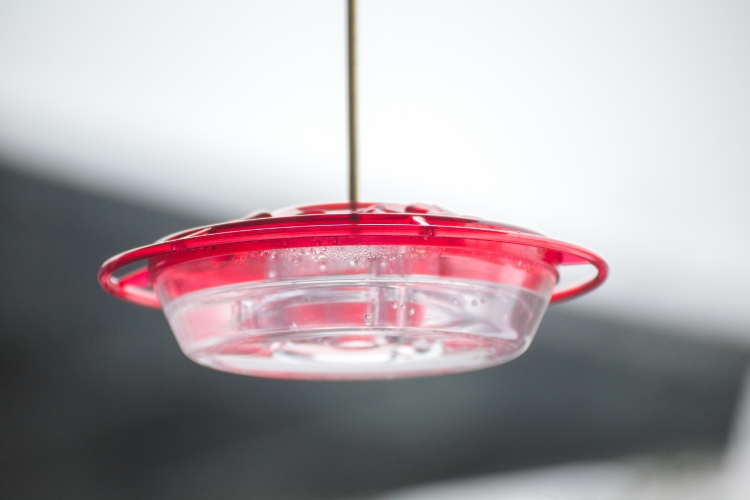
Injection molding proves to be a versatile and efficient method for producing consumer goods, offering several advantages.
Inexpensive Plastic Resins: Many plastic resins are cost-effective, and injection molding, after tooling costs, is less expensive than many alternative manufacturing processes. Automated production further reduces labor costs.
Diverse Design Options: Injection molding allows for the creation of consumer goods with various colors, finishes, textures, and virtually any shape.
Minimal Waste Production: The inherent nature of injection molding results in minimal waste during the manufacturing process.
Rapid Production of Identical Products: Injection molding is highly suited for rapidly producing long runs of identical products, ensuring both speed and consistency.
Comparable Performance to Other Materials: Plastics used in injection molding can rival the performance of nearly any material on the market.
Reduced Product Weights: Lightweight thermoplastics, popularized in industries like automotive, can replace metal parts without sacrificing strength, leading to reduced transportation costs.
At Bennett Plastics, with decades of experience in injection molding consumer goods, we bring our expertise to every job.
From design through fulfillment, we offer a full array of services to bring your products to life. Contact us today to explore how we can partner with you.

OEMs across diverse industries leverage the benefits of injection molding, making it a preferred solution for consistent, affordable production of high-quality, complex plastic parts suitable for various applications and environments.
Let’s explore the top 14 benefits of injection molding, highlighting its significance in manufacturing.
With the right tool design and a scientific molding approach, injection molding enables manufacturers to produce highly complex, detailed plastic parts in large volumes with virtually no deviation. Comprehensive data collection and analysis, coupled with skilled engineers, result in consistent replication of impressive details and geometries.
An experienced custom injection molding partner provides manufacturers with a decided advantage in terms of efficiency.
Teams with decades of expertise streamline part design and manufacturing through best practices, minimizing problems, and optimizing time and cost commitments.
Focusing on design upfront and incorporating value-added services ensures utmost efficiency.

The steady increase in the strength and versatility of plastics is a notable benefit of injection molding. Lightweight thermoplastics can now withstand even harsh environments as effectively as, or better than, metal parts.
The availability of more than 25,000 engineered materials provides versatility for complex injection molding applications.
Complex part designs often require components made of different materials. Safely combining plastics can be challenging, but injection molding’s expertise guides compatibility, preventing defects and ensuring safety.
Collaboration between OEM and injection molding engineering teams during the design phase is the primary way to manage costs effectively.
Implementing Design for Manufacturability (DfM) and other detailed processes upfront significantly reduces problems, minimizes tooling changes, and optimizes production costs.
For complex part designs requiring tight tolerances, injection molding achieves accurate designs to within +/- .001 inches. This precision is repeatable across production runs and equipment.
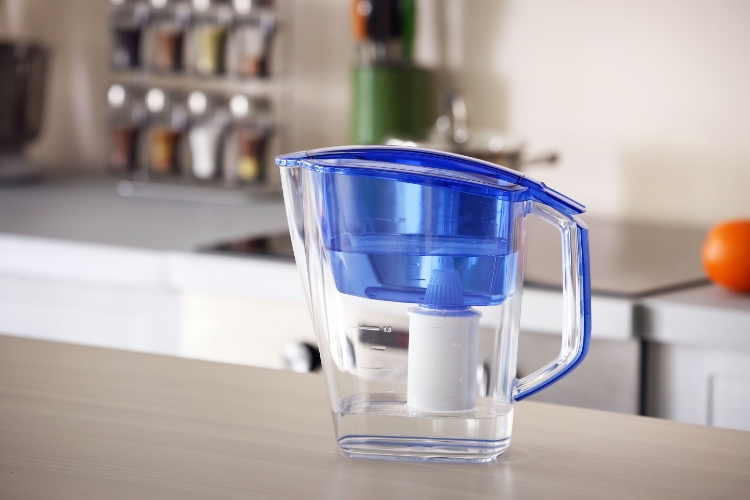
The diverse skill sets of injection molding engineers contribute to a shorter product development timeline, allowing faster production cycles and quicker market entry — a valuable competitive advantage for manufacturers.
Injection molding allows for various surface finishes, depending on the physical and chemical properties of the plastics used.
From smooth surfaces to matte finishes and unique textures, injection molding offers diverse finishing options without requiring secondary operations.
High-output production of complex plastic parts requires a consistent, repeatable process. Injection molding, with its reliance on the same tooling and continuous improvement practices, ensures both high output and consistency.
Injection molders can achieve desired coloration, from clear to any color an OEM needs, by aligning plastics, additives, and biocompatibility.
Molders with overmolding and multi-material injection molding experience excel in providing quality solutions for multiple colors in one product.
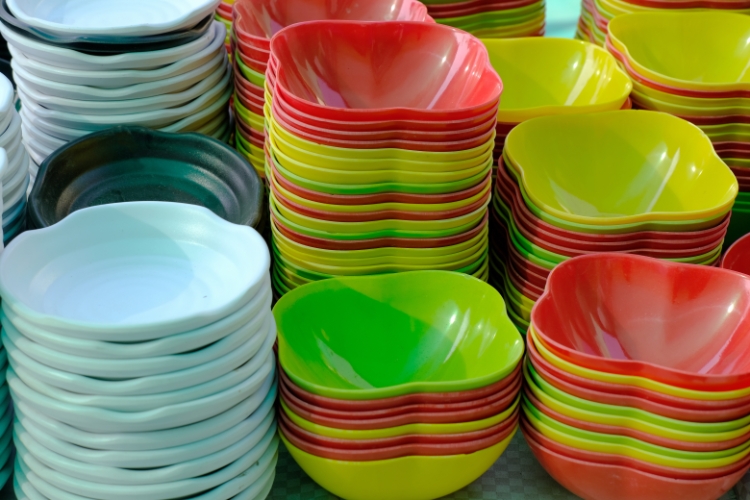
Injection molding provides flexibility in design choices, especially when compared to metal. The process allows OEMs to customize solutions that meet specific project requirements.
Injection molding contributes to sustainable practices by minimizing waste through initiatives like using plastic regrind. This not only benefits the environment but also directly benefits OEMs.
The automated nature of much of the injection molding process, controlled by a sole operator or technician, streamlines labor costs and reduces the risk of defects or errors, ultimately saving money for OEMs.
The practice of substituting metal parts for high-performance plastics, known as lightweighting, is popular in industries like automotive. High-strength, lightweight thermoplastics replace metal components without compromising strength or dependability.
In conclusion, injection molding’s top 14 benefits, including the ability to produce detailed geometries, efficiency, strength and versatility of plastics, simultaneous use of multiple materials, cost savings, precision, shortened product development time, diverse finishes, high-output production, color control, flexibility, reduced waste, lower labor costs, and lightweighting, make it a preferred solution for OEMs across diverse industries.
This comprehensive guide highlights the multifaceted benefits of using injection molding for consumer goods. From its cost-effectiveness and design flexibility to consistent high-quality output, material versatility, and efficient production cycles, injection molding proves to be a pivotal method for meeting the demands of today’s dynamic market.
The case study on manufacturing a chair exemplifies how injection molding can be leveraged to achieve outstanding results.
Additionally, the guide emphasizes the importance of plastic injection molding in producing a wide variety of common consumer goods, showcasing its versatility and efficiency.
With its strengths in precision, high-volume production, material versatility, efficiency, and cost-effectiveness, injection molding stands out as a preferred manufacturing process.
The top 14 benefits further underscore its significance for OEMs across various industries, making it an ideal choice for producing high-quality, complex plastic parts.
As consumer demands continue to evolve, injection molding remains a key enabler for manufacturers to stay competitive and meet market expectations.